
Shilajit is a naturally occurring, resinous substance that has been used for centuries in traditional Ayurvedic medicine. It is extracted from rocks in high mountain regions, primarily in the Himalayas, and is known for its potential health benefits. Shilajit is said to have a range of positive health effects, including improved energy, increased libido, improved cognitive function, and immune support.
One of the most interesting claims surrounding shilajit is its ability to increase testosterone levels in men. This review will explore these claims and review the scientific studies that have been conducted to investigate these effects.
What is shilajit?
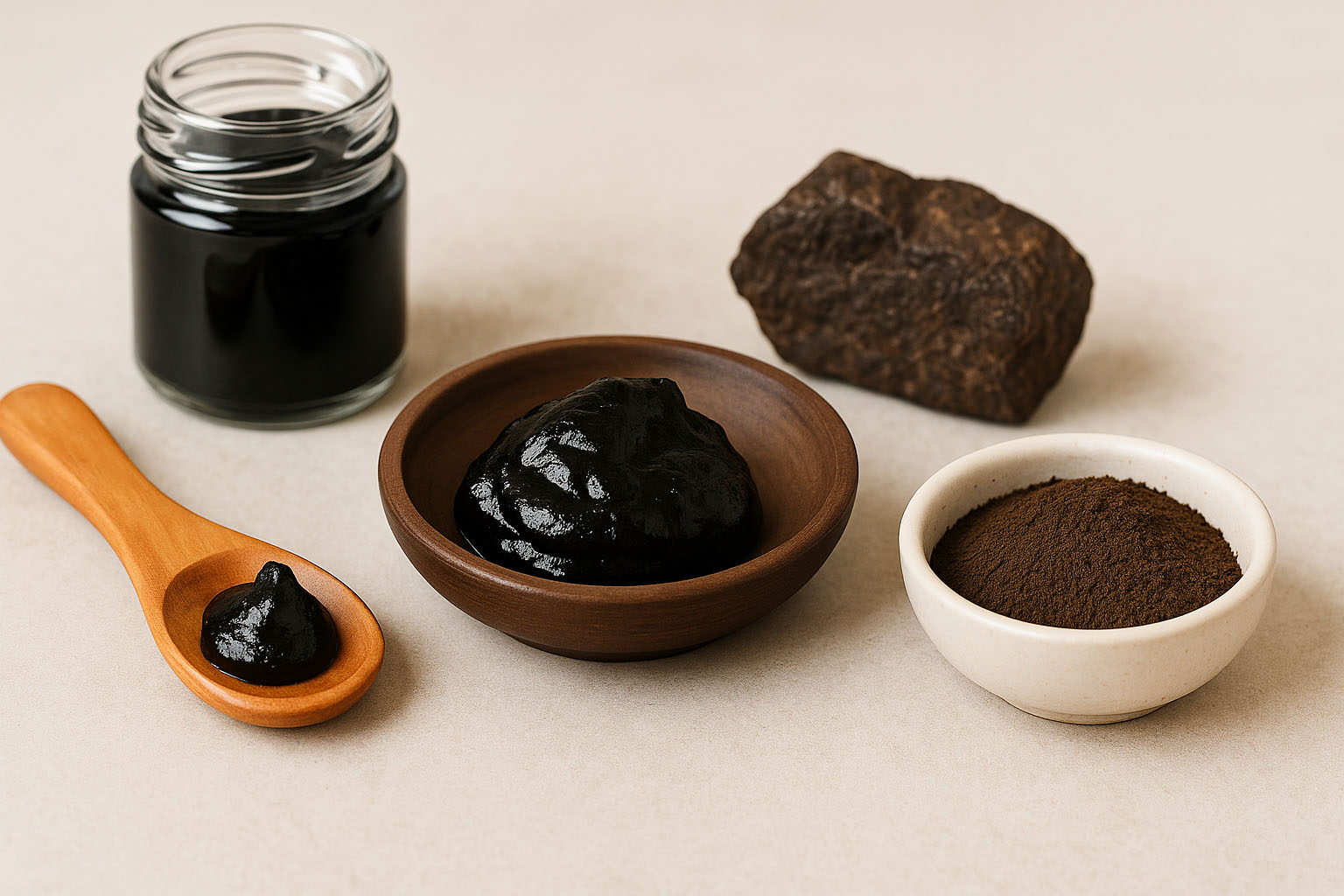
Shilajit is a black-brown, resinous substance that oozes from cracks in rocks, especially during hot summer months. It is formed through a slow process of decomposition of plant material and minerals under specific environmental conditions. Shilajit contains a rich complex of minerals, humic acids (primarily fulvic acid and humic acid), and various bioactive compounds that are believed to contribute to its medicinal properties. Traditionally, shilajit has been used in Ayurveda as a “rasayana,” a substance that promotes rejuvenation and longevity. It has been used to treat a variety of ailments, including chronic fatigue, impotence, diabetes, and inflammatory conditions.
Nutritional content of Shilajit
Shilajit is rich in a range of nutrients that contribute to its health benefits:
• Fulvic Acid and Humic Acid: These are the primary active components of shilajit, and they have powerful antioxidant, anti-inflammatory, and detoxifying properties.
• Minerals: Shilajit contains over 84 minerals in ionic form, including iron, magnesium, zinc, calcium, copper, selenium, manganese, and potassium. These minerals are important for many biological processes in the body.
• Vitamins: Shilajit contains small amounts of several vitamins, such as vitamin B12, which is important for nerve function and blood formation, and vitamin D, which is important for calcium absorption and bone health.
• Amino acids: It also contains various amino acids which are the building blocks of proteins and are necessary for the repair and growth of tissues.
• Dibenzo-alpha-pyrones: These compounds are known for their antioxidant properties and may help protect the body against oxidative stress.
Shilajit and Testosterone – An Overview
Shilajit is often marketed as a natural way to increase testosterone levels, but what does the scientific literature say? Here's a review of some of the most prominent studies that have examined the effects of shilajit on testosterone levels in men.
Mechanisms and potential explanations
The exact mechanisms by which shilajit affects testosterone levels are not yet fully understood, but several hypotheses have been proposed. One of the most prominent theories is that the fulvic acid in shilajit may help increase testosterone production by stimulating the testosterone-producing Leydig cells in the testicles.
Another possible mechanism is the antioxidant properties of shilajit, which can reduce oxidative stress and improve cell function, including those involved in hormone production. In addition, shilajit's content of various minerals and trace elements may play a role in supporting hormonal balance and optimizing the body's endocrine function.
Safety and side effects
Shilajit is generally considered safe for most people when taken in moderate amounts as a dietary supplement.
Conclusion
Shilajit is a unique and versatile dietary supplement with a long history of use in traditional Ayurvedic medicine. It has a wide range of potential health benefits, including improved energy, increased libido, and immune system support. One of the most interesting and researched effects of shilajit is its potential ability to increase testosterone levels in men. Several well-controlled studies have shown that shilajit
may have a positive effect on testosterone production, hormone balance, and sperm quality. The mechanisms behind these effects are believed to involve shilajit's rich content of bioactive compounds, including fulvic acid and various minerals, which may support the body's endocrine
function and reduce oxidative stress.
References and study summary
Scientific studies have shown that shilajit can contribute to increased testosterone levels, improved sperm quality, and overall hormonal balance in men.
Scientific studies have shown that shilajit can contribute to increased testosterone levels, improved sperm quality, and overall hormonal balance in men.
1. Pandit et al., 2016
Study: A double-blind, placebo-controlled study of 75 men (45–55 years old) who received 250 mg of shilajit twice daily for 90 days.
Conclusion: The group that received shilajit showed significant increases in both total and free testosterone as well as improved sperm motility and concentration.
2. Biswas et al., 2010
Study: Study of 60 infertile men who received 100 mg of shilajit twice daily for 90 days.
Conclusion: Shilajit significantly increased testosterone, FSH, and LH levels and improved sperm quality and antioxidant content.
3. Bajpai et al., 2014
Study: Placebo-controlled study of 35 healthy men (45–55 years) who received 500 mg of shilajit daily for 90 days.
Conclusion: Men who received shilajit showed higher levels of total and free testosterone and DHEA-S, with reported improvements in energy and quality of life.