
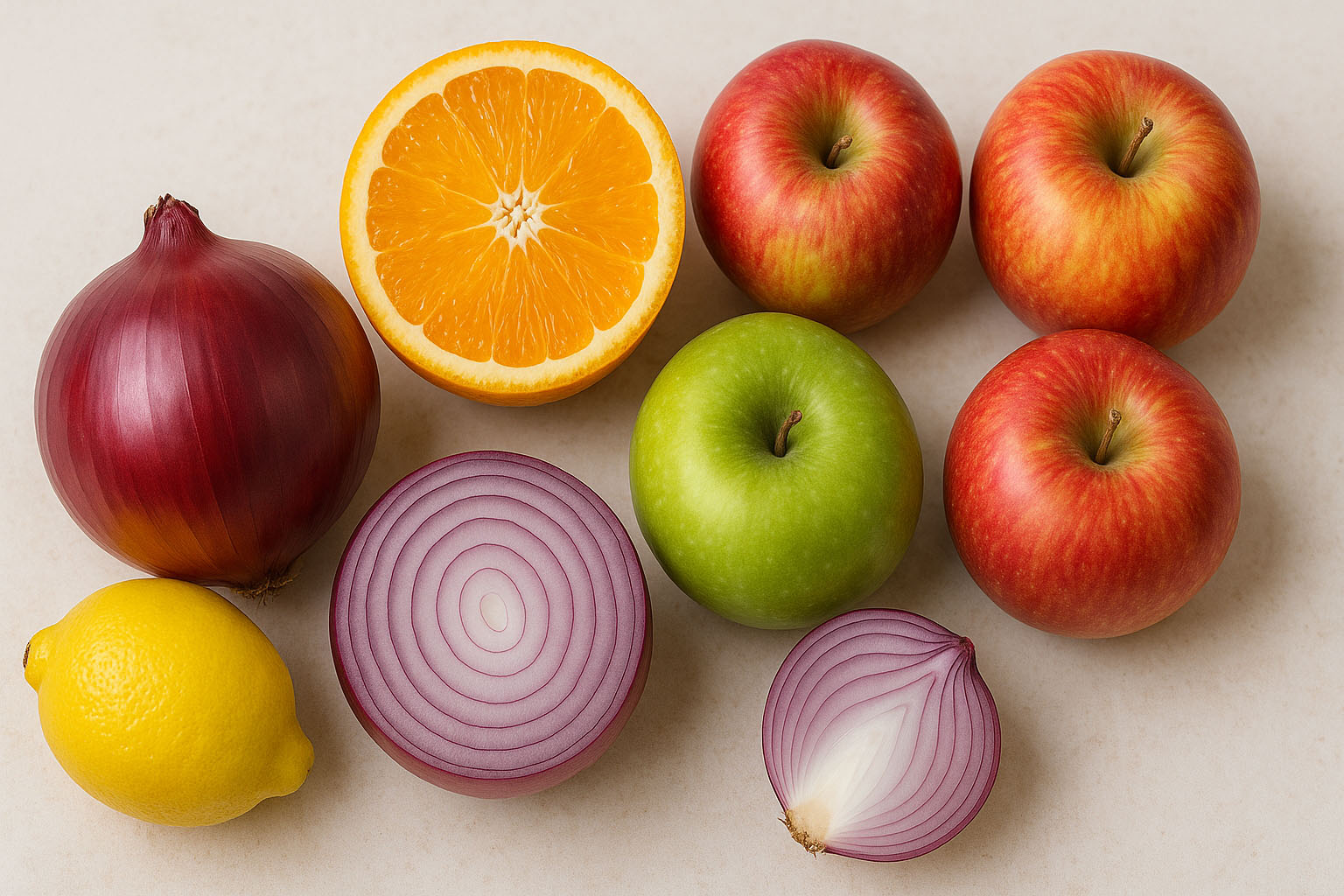
Quercetin is a naturally occurring flavonoid found in many fruits, vegetables and beverages, such as apples, berries, onions and tea. It is best known for its powerful antioxidant and anti-inflammatory properties, meaning it can protect cells from damage caused by free radicals and help reduce inflammation in the body.
Quercetin and male health
Research has investigated quercetin's impact on hormonal levels and its potential benefits for men's health. A study from the Journal of Clinical Investigation found that quercetin can reduce oxidative stress and inflammation; two factors that are important for maintaining healthy testosterone levels and preventing age-related decline in male vitality.
Improved training and recovery
Quercetin has also been noted for its potential to improve exercise performance and recovery. A study published in the Journal of the International Society of Sports Nutrition found that quercetin supplementation may improve endurance by increasing mitochondrial biogenesis, which means more energy-producing units are created in cells. This may contribute to increased endurance and performance during exercise. In addition to its performance benefits, quercetin has been shown to reduce exercise-induced inflammation and muscle soreness. A study in the European Journal of Applied Physiology found that athletes who took quercetin experienced a reduction in inflammatory markers and recovered more quickly after intense workouts.
Quercetin in dietary supplements
In dietary supplements, quercetin is primarily used for its antioxidant and anti-inflammatory properties. In addition, quercetin has been shown to have antihistamine effects, which may be beneficial for people with allergies. Quercetin has also shown potential to support cardiovascular health by lowering blood pressure and improving blood vessel function.
Conclusion
Quercetin is a powerful natural compound with several potential health benefits. For men, it may play a role in reducing oxidative stress, influencing hormonal levels, and improving exercise performance. Its anti-inflammatory properties also make it relevant for faster recovery and reduced muscle soreness. However, more studies are needed to confirm its full effects on male hormones and performance.