
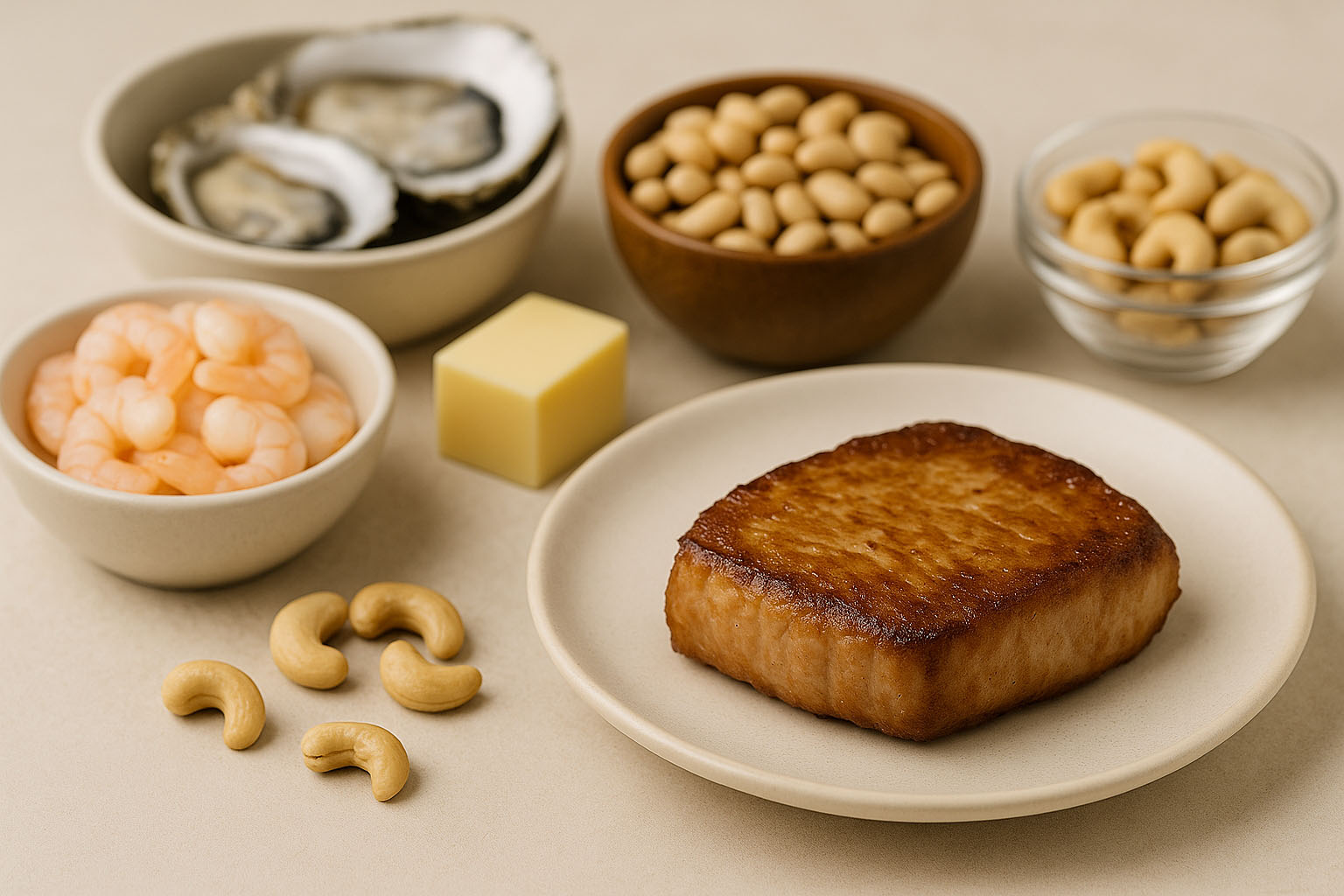
Zinc is an essential trace element (mineral) that is necessary for a number of important biological processes in the body. It plays a central role in immune system function, DNA synthesis, wound healing and cell growth. Since the body cannot store zinc, it must be continuously supplied through the diet or dietary supplements. Foods rich in zinc include meat, shellfish, nuts, seeds and dairy products.
Uses for zinc
Zinc is used as a dietary supplement to support the immune system, improve wound healing, support growth and development, and maintain normal senses of taste and smell. It is also used to prevent and treat zinc deficiency, which can lead to serious health problems such as impaired immune function, growth retardation, and delayed wound healing.
Benefits for men's health
Zinc has several specific benefits for men's health, including improved testosterone production, increased muscle growth, improved exercise performance, and improved libido. Here's a closer look at these benefits and the scientific studies that support them.
1. Testosterone production. Zinc is essential for the production of testosterone, the primary male sex hormone. A study published in Nutrition examined the effect of zinc supplementation on testosterone levels in elderly men with mild zinc deficiency. The study found that zinc supplementation significantly increased testosterone levels in these men, suggesting that zinc plays an important role in regulating testosterone production. Another study published in Biological Trace Element Research found that young men who received zinc supplements had higher testosterone levels compared to a placebo group. The study suggested that zinc may affect the Leydig cells that produce testosterone in the testicles.
2. Muscle growth and training results. Zinc may also contribute to increased muscle growth and improved exercise performance. A study published in Exercise Immunology Review examined the effect of zinc supplementation on exercise-induced inflammation and muscle recovery. The results showed that zinc supplementation reduced inflammatory markers and improved muscle recovery after intense exercise. Another study in the Journal of Sports Science and Medicine found that male athletes who took zinc supplements experienced improved strength levels and muscle mass compared to those who did not take the supplement. This suggests that zinc may have a positive impact on physical performance and muscle building.
3. Libido and sexual health. Zinc also plays a role in sexual health and libido. A study published in the Journal of Human Reproductive Sciences examined the effect of zinc supplementation on sexual function in men with low zinc levels. The study found that zinc supplementation improved libido and sexual function in these men, suggesting that zinc may be important for maintaining healthy sexual function. Another study published in Nutritional Neuroscience found that zinc supplementation improved sexual arousal and erectile function in rats, further supporting zinc’s role in sexual health.
4. Immune system and general health. Zinc is essential for a healthy immune system. It helps develop and activate T-lymphocytes, a type of white blood cell that fights infection. A study published in The American Journal of Clinical Nutrition found that zinc supplements can reduce the duration and severity of colds by boosting the body's immune response.
Safety and side effects
Zinc is generally safe when taken in recommended doses. The tolerable upper limit for zinc intake is set at 40 mg per day for adults. ManClear contains 25 mg of zinc per daily dose.
Conclusion
Zinc is an important dietary supplement with many potential health benefits, especially for men. Its ability to support testosterone production, increase muscle growth, improve exercise performance, and libido make it an essential supplement for men looking to optimize their health and well-being. Supported by multiple studies and its generally good safety profile, zinc appears to be a promising supplement for improving health and quality of life. The studies below highlight the potential benefits of zinc as a dietary supplement for improving immune function, muscle recovery, testosterone levels, and sexual health in men.