
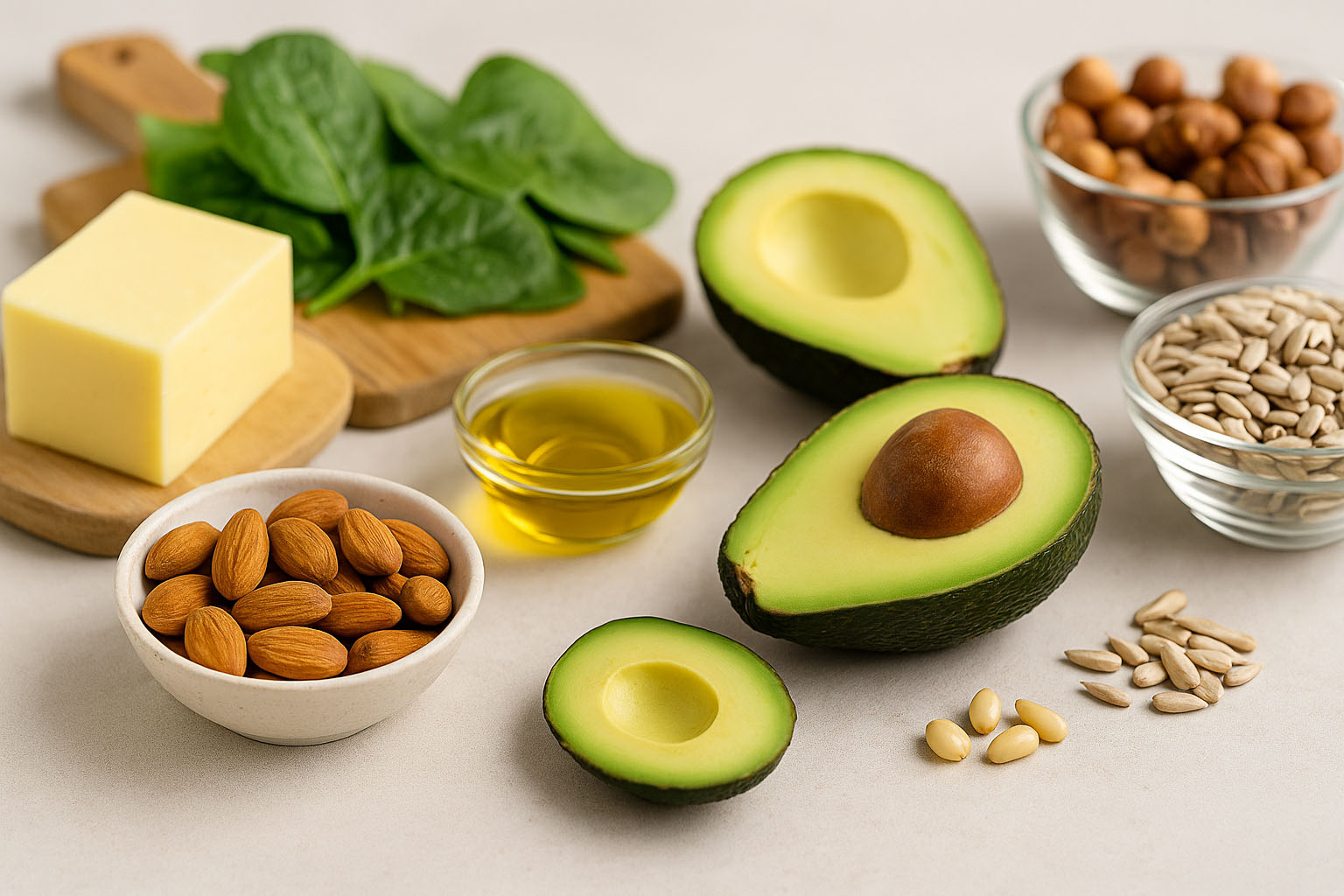
Vitamin E is a fat-soluble vitamin that acts as a powerful antioxidant. It protects cell membranes from oxidative damage by neutralizing free radicals. Vitamin E is a group of eight different compounds, including four tocopherols and four tocotrienols, of which alpha-tocopherol is the most biologically active form in the human body. The vitamin is found naturally in a variety of foods, including nuts, seeds, green leafy vegetables, and vegetable oils.
Uses for Vitamin E
Vitamin E is often used as a dietary supplement to improve skin health, support the immune system, and prevent heart disease. Its antioxidant properties also make it a popular supplement for protecting cells from damage, which can have positive effects on a variety of health conditions.
Benefits for men's health
Vitamin E has specific benefits for men's health, including improved sexual performance, better energy, protection against heart disease, and potential support for testosterone production.
1. Improved sexual performance and libido. One of the most noted benefits of vitamin E for men is its impact on sexual health. Vitamin E is thought to improve blood flow, which can increase sexual function and libido. A study published in The Journal of Urology examined the effect of vitamin E on male fertility and sexual function. The study found that men who took vitamin E supplements had improved sperm motility and increased sexual arousal. Another study in the Archives of Andrology examined the effect of vitamin E on sperm quality and found that men who took vitamin E supplements had a significant improvement in sperm count and motility, suggesting that vitamin E may contribute to better sexual health.
2. Increased energy and physical performance. Vitamin E may also play a role in improving physical performance and energy. Its antioxidant properties help reduce oxidative stress, which can improve muscle recovery and endurance. A study published in The American Journal of Clinical Nutrition examined the effect of vitamin E supplementation on physical performance in athletes and found that those who took vitamin E had improved endurance and reduced muscle fatigue.
3. Heart disease protection. Heart health is another important aspect of vitamin E benefits for men. Vitamin E helps prevent the oxidation of LDL cholesterol, which can reduce the risk of atherosclerosis and heart disease. A large study published in The New England Journal of Medicine examined the effect of vitamin E supplements on heart health and found that those who took vitamin E had a lower risk of heart attack and stroke.
4. Potential support for testosterone production. Vitamin E may also play a role in supporting testosterone production. A study published in Hormone and Metabolic Research examined the effect of vitamin E on testosterone levels in rats and found that vitamin E supplementation increased levels of luteinizing hormone (LH), which stimulates testosterone production. Another study in the Journal of Nutrition examined the relationship between vitamin E and testosterone production in men and found that men with higher vitamin E intake had higher levels of testosterone compared to those with lower intakes.
Safety and side effects
Vitamin E is generally safe when taken in recommended doses. The tolerable upper limit for vitamin E intake is set at 1,000 mg (1,500 IU) per day for adults. Common doses in dietary supplements range from 15 to 400 IU per day. ManClear contains 60 IU of vitamin E per daily dose.
Conclusion
Vitamin E is an important dietary supplement with many potential health benefits, especially for men. Its ability to enhance sexual performance, increase energy and physical performance, protect heart health, and potentially support testosterone production make it an important supplement for men looking to optimize their health and well-being. Supported by several large studies, vitamin E appears to be a promising supplement for improving health and quality of life. These studies highlight the potential benefits of vitamin E as a dietary supplement for improving sexual function, physical performance, heart health, and hormonal balance in men.