
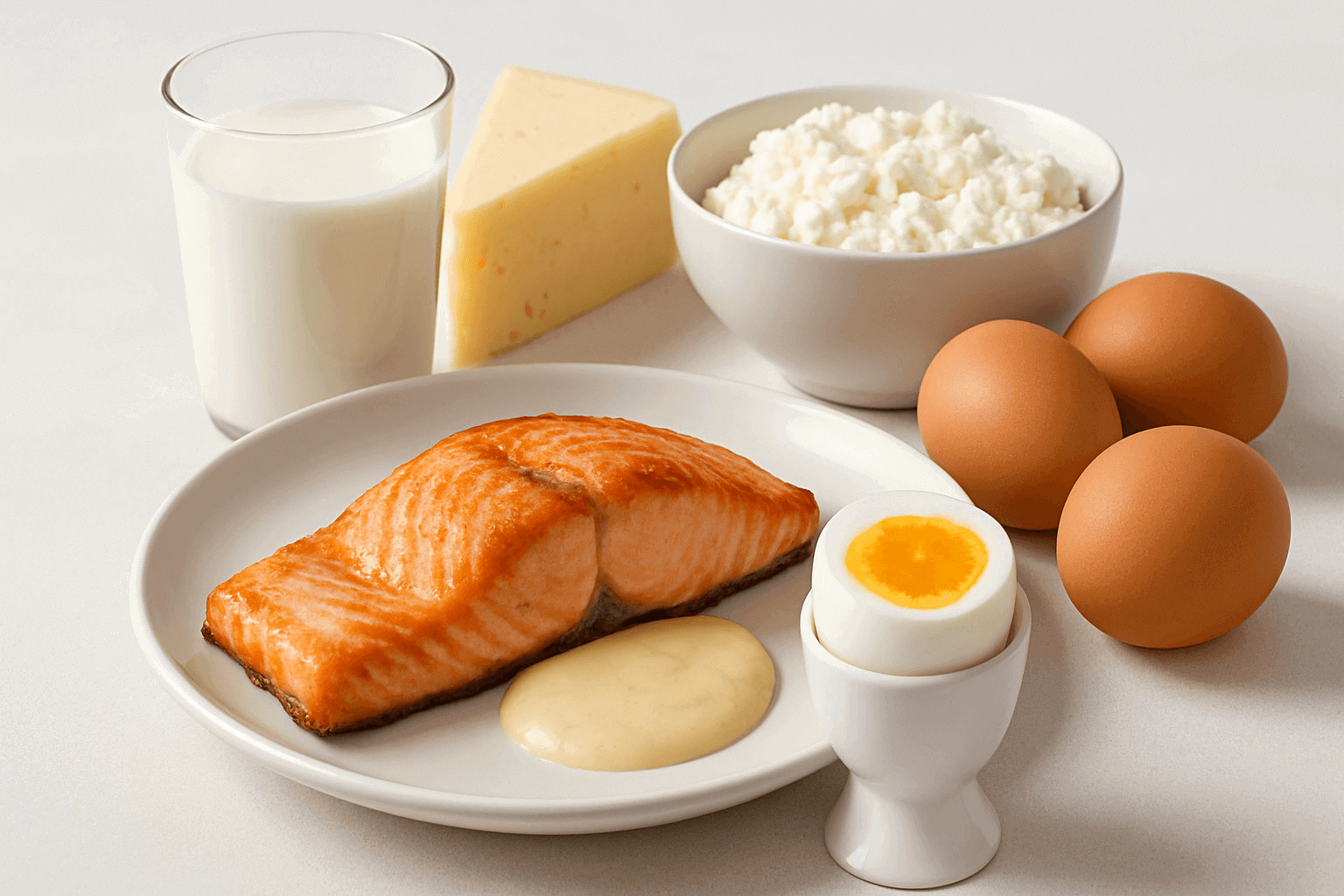
L-carnitine is an amino acid-like compound that plays a crucial role in energy production by transporting long-chain fatty acids into the mitochondria, where they can be oxidized to produce energy. L-carnitine is found naturally in animal products, especially meat and fish, and is also synthesized in the human body from the amino acids lysine and methionine.
L-Carnitine L-Tartrate – an improved form of L-Carnitine
L-Carnitine L-Tartrate (LCLT) is an ester form of L-Carnitine that combines carnitine with tartaric acid. This is one of the most commonly used forms of L-Carnitine in dietary supplements, especially for athletes and those seeking improved physical performance. Research suggests that LCLT has certain advantages over other forms of L-Carnitine:
1. Increased absorption: LCLT is absorbed faster and more efficiently into the body compared to other forms of L-carnitine, meaning its effects can be experienced more quickly.
2. Improved bioavailability: The combination of carnitine and tartrate increases the bioavailability of carnitine, which means that a greater amount of the active substance reaches the target cells in the body.
3. Improved recovery: Studies have shown that LCLT can reduce muscle damage and improve recovery after intense exercise, making it popular among athletes and fitness enthusiasts.
Health Benefits of L-Carnitine
L-carnitine has been studied for a variety of health benefits, including:
1. Improved energy production: L-carnitine plays a key role in the transport of fatty acids into the mitochondria for beta-oxidation, which is essential for energy production in cells. This may contribute to increased physical endurance and performance.
2. Heart health: L-carnitine has been shown to improve cardiac function in patients with heart disease by reducing oxidative stress and improving energy metabolism in the heart muscle.
3. Reduced muscle fatigue: By improving energy production and reducing the accumulation of lactic acid in the muscles, L-carnitine can reduce muscle fatigue and improve exercise performance.
Mechanisms and potential explanations
The exact mechanisms by which L-carnitine exerts its health benefits are the subject of ongoing research, but several hypotheses have been proposed.
1. Transport of fatty acids: L-carnitine is critical for the transport of long-chain fatty acids into the mitochondria where they can be oxidized and used as energy. This is especially important during physical exertion when energy needs increase.
2. Reduced oxidative stress: L-carnitine has antioxidant properties that can reduce oxidative stress and protect cells from damage. This is important for maintaining cell function and preventing chronic diseases.
3. Regulation of metabolism: L-carnitine can affect several metabolic processes, including glucose metabolism and fat oxidation, which may contribute to weight loss and improved energy balance.
4. Hormonal balance: Studies have shown that L-carnitine can affect hormone production, including testosterone and growth hormone, which can have positive effects on muscle mass, strength, and overall health.
Safety and side effects
L-carnitine is generally considered safe for most people when taken in recommended doses as a dietary supplement.
Conclusion
L-carnitine is an important amino acid-like compound with a variety of potential health benefits, including improved energy production, weight loss, heart health, and reduced muscle fatigue. L-carnitine L-tartrate (LCLT) is an enhanced form of L-carnitine that offers increased absorption and bioavailability, making it particularly useful for athletes and those seeking improved physical performance. Scientific studies have shown that L-carnitine can improve exercise performance, support heart health, and promote weight loss. Specific studies on men's health have shown that L-carnitine can increase testosterone and growth hormone levels, which may have positive effects on muscle mass and recovery.