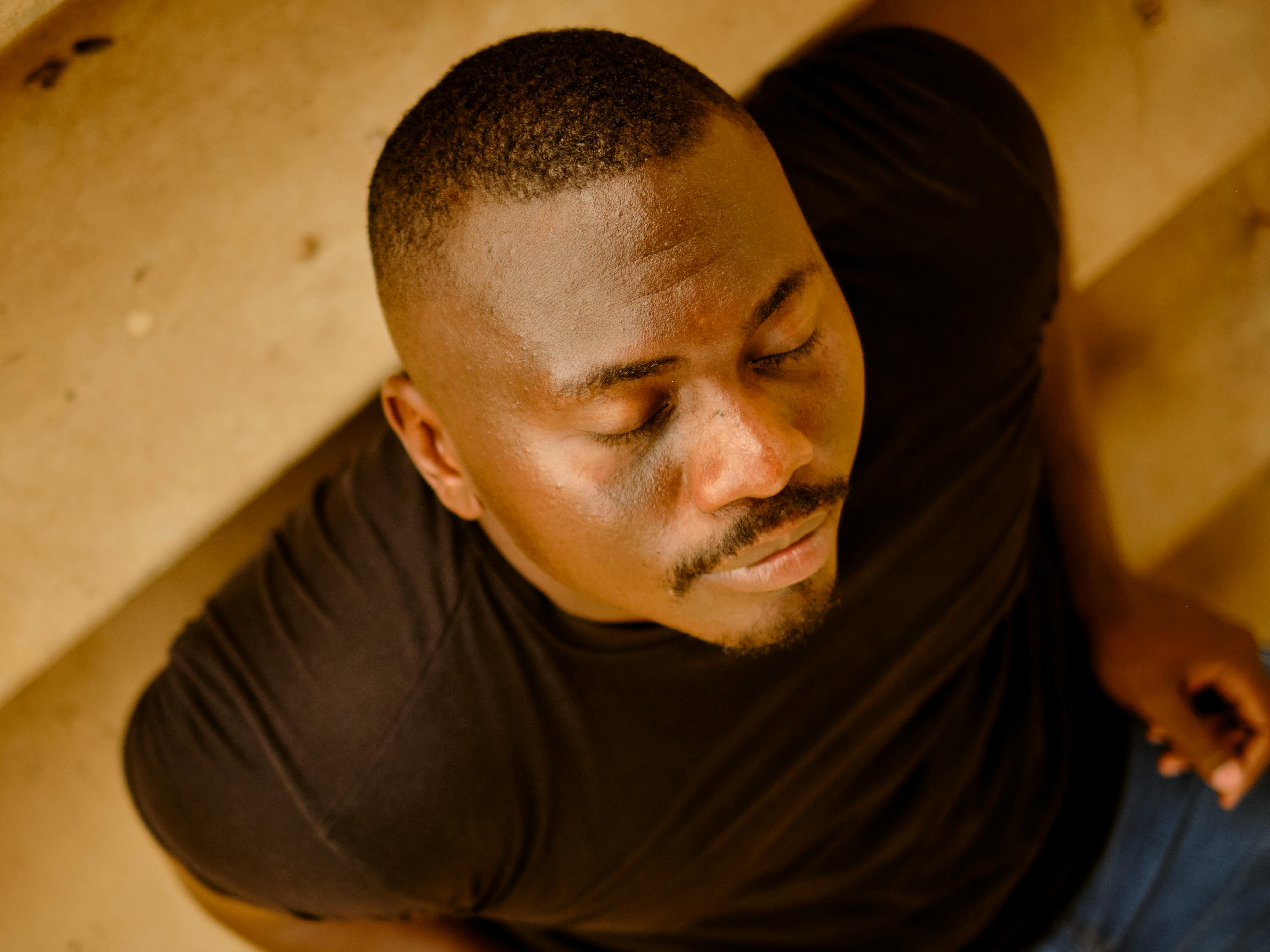
Can we slow down the ageing process - and even strengthen our bodies in the meantime? As testosterone levels drop over the years,men'senergy, muscle mass and sex drive are all affected. But research shows that lifestyle, diet and certain natural substances can make a big difference. Professor of Urology Ralph Peeker explains how, with the right tools, we can influence our hormonal balance and reduce the risk of common age-related problems such as prostate problems.
Ralph Peeker, Chief Physician and Professor of Urology at the University of Gothenburg, researches how cell signaling pathways affect urinary problems and prostate enlargement. He has also studied prostate cancer and benign prostatic hyperplasia - common conditions in older men.
- These conditions are linked to ageing. Almost all men get some degree of prostate enlargement, says Peeker. But it's important to distinguish between disease and condition.
Prostate enlargement - common but often harmless
Prostate enlargement is not unusual in itself and usually causes no problems. But if you develop symptoms, such as difficulty urinating, it can become a medical condition.
- It is the same with prostate cancer. In many older men, cancer cells can be found in the prostate without causing any symptoms. It is then a condition rather than a disease," says Peeker.
Heredity plays a role
The risk of prostate problems increases if you have close relatives with prostate cancer or prostate enlargement.
- If you have a father or brother with prostate cancer, you are more likely to be affected yourself. This also applies to benign prostate enlargement," says Peeker.
Lifestyle affects the prostate
Research shows that diet and lifestyle affect the risk of prostate disease. Links have been seen between prostate cancer and, for example, red meat, fatty diets and obesity.
- We also know that substances such as zinc, boron and selenium can reduce prostate symptoms," says Peeker. "So far we don't know exactly how it affects the individual, but within ten years research may have reached that point.
Herbal substances with effect
Plants such as fenugreek can also have a positive effect. They can prevent testosterone from being converted into dihydrotestosterone - the hormone that makes the prostate grow.
- "Fenugreek works in a similar way to some of the drugs we use, but it's not as effective as surgical treatment," explains Peeker.
Amino acids - important for muscle building
To maintain muscle mass, amino acids are crucial - even as we get older.
- Amino acids are the building blocks of proteins and essential for building muscle. When we eat protein-rich food, it is broken down into amino acids that the body uses," says Peeker.
'Male menopause' - a myth?
The term "male menopause" is sometimes used, but Peeker thinks it is misleading.
- Women's hormone changes happen suddenly and simultaneously in everyone. For men, testosterone drops gradually, by different amounts and at different ages. We prefer to call it age-related testosterone decline," he says.
When does it become a problem?
A drop in testosterone levels with age is natural and not a disease in itself. But when it gives clear symptoms, it may be a so-called testosterone deficiency syndrome.
- In this case, an investigation can be carried out and blood tests taken. If the patient has low levels and clear symptoms, testosterone treatment may be an option," says Ralph Peeker. If the patient has low levels and clear symptoms, testosterone treatment may be an option, says Ralph Peeker.
 |
Ralph Peeker is a prominent urologist and Professor of Urology at the Sahlgrenska Academy, University of Gothenburg. He is internationally recognized for his research and clinical expertise in urological diseases, particularly in the areas of bladder cancer, benign prostatic hyperplasia and neuro-urology.With a long career in both academia and clinical practice, he has played an important role in developing modern urological care in Sweden. Professor Peeker is also a frequent lecturer and has published a large number of scientific articles in his field. |